IPTV vs Cable TV: Which Is Better for Modern Streaming in 2026?
The way people consume television content has changed dramatically over the past decade, and in 2026 the debate between IPTV and Cable TV is more relevant than ever. Viewers are no longer satisfied with limited channels, fixed schedules, and expensive bundles that include content they never watch. Instead, modern audiences want flexibility, affordability, and access to global entertainment on demand. IPTV and Cable TV both aim to deliver television content, but they operate in fundamentally different ways, which leads to major differences in performance, cost, accessibility, and user experience. Understanding these differences is essential for anyone choosing a home entertainment setup today.
What is IPTV?
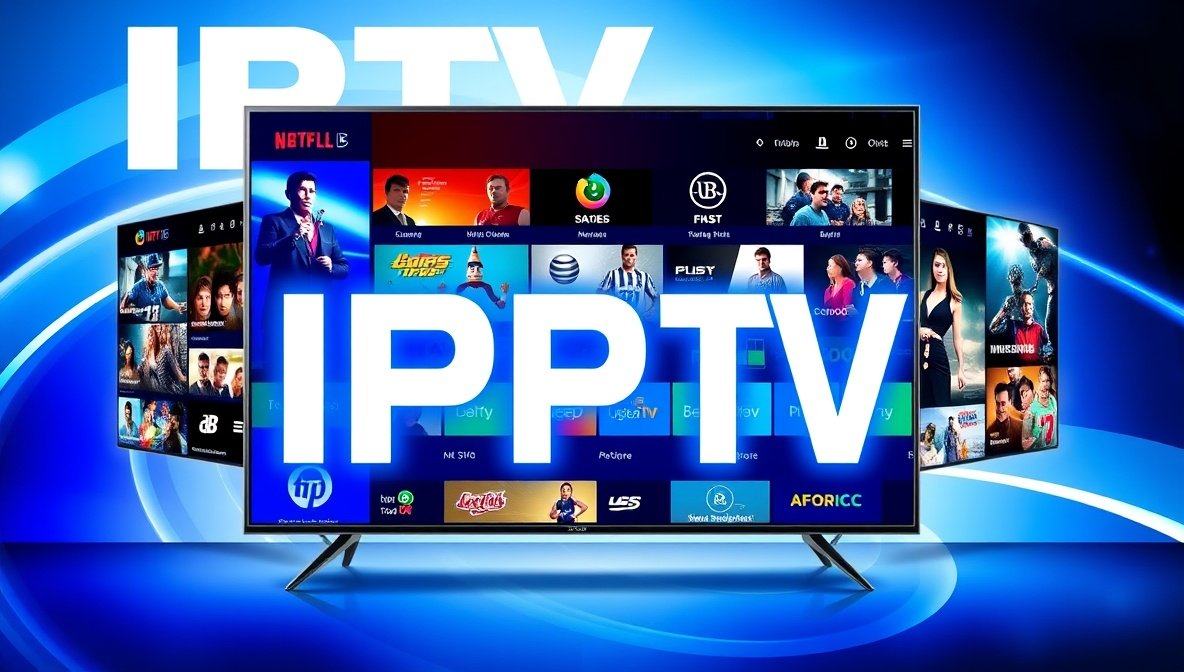
IPTV, or Internet Protocol Television, is a system that delivers television content through the internet instead of traditional satellite or cable signals. It streams media in real time or on demand using an internet connection. This allows users to watch live TV, movies, and series on a variety of devices such as smart TVs, smartphones, tablets, and streaming boxes. IPTV services often include large content libraries, international channels, and features like catch-up TV, pause, rewind, and video on demand. Iptv Reviews Because it relies on internet infrastructure, IPTV is highly flexible and can be accessed anywhere with a stable connection.
What is Cable TV?
Cable TV is the traditional method of delivering television content through coaxial or fiber optic cables installed by service providers. It has been a dominant form of home entertainment for decades and typically offers fixed channel packages that include local, national, and international networks. Cable TV operates on scheduled broadcasting, meaning viewers must tune in at specific times to watch programs unless they use a DVR system. While it is known for stable signal quality, it lacks the flexibility and modern features offered by internet-based platforms.
How IPTV Works Compared to Cable TV
The core difference between IPTV and Cable TV lies in how content is delivered. IPTV uses internet protocols to stream content in packets, similar to how websites and videos load online. This means the content is delivered dynamically based on user demand. Cable TV, on the other hand, transmits all channels continuously through a physical infrastructure, and users simply select the channel they want to watch.
Because IPTV is internet-based, it can adapt to different devices and resolutions, including HD and 4K streaming. Cable TV depends on broadcast quality set by the provider and may require additional hardware for advanced features. IPTV also supports interactive services, while cable systems are more limited in terms of customization.
Content Variety and Flexibility
One of the biggest advantages of IPTV in 2026 is its vast content variety. IPTV platforms often provide thousands of live channels IPTV vs Cable TV from multiple countries, along with large libraries of movies and TV shows available on demand. Users can choose what they want to watch at any time without waiting for scheduled broadcasts.
Cable TV offers a more limited and fixed selection of channels. While premium cable packages may include sports, movies, and entertainment networks, users are still restricted to the provider’s channel lineup. IPTV gives users significantly more flexibility, allowing them to personalize their viewing experience based on interests and preferences.
Cost Comparison
Cost is a major factor when comparing IPTV and Cable TV. Cable TV services often come with high monthly fees, equipment rental charges, installation costs, and long-term contracts. Even basic packages can become expensive when additional channels or premium content are added.
IPTV services are generally more affordable and offer flexible subscription plans. Users can often choose monthly or yearly plans without long-term commitments. Since IPTV does not require physical infrastructure installation, it eliminates many hidden costs associated with cable services. This makes IPTV a more budget-friendly option for many households in 2026.
Picture Quality and Streaming Performance
Cable TV is known for its consistent signal quality because it uses dedicated physical infrastructure. It is less dependent on internet speed and generally provides stable viewing without buffering issues. However, its resolution is often limited by the broadcaster and may not always support ultra-high-definition content.
IPTV quality depends heavily on internet speed and server performance. With a strong connection, IPTV can deliver HD, Full HD, and even 4K streaming with excellent clarity. However, slower internet connections may cause buffering or reduced quality. In regions with strong broadband infrastructure, IPTV often surpasses cable in visual quality and responsiveness.
Device Compatibility and Accessibility
IPTV is highly versatile when it comes to device compatibility. It can be used on smart TVs, Android TV boxes, Firestick devices, smartphones, tablets, and even computers. This makes it extremely convenient for users who want to watch content on the go or across multiple devices.
Cable TV is mostly restricted to television sets connected to a cable box. While some providers offer mobile apps, they are often limited in functionality compared to IPTV platforms. The ability to switch devices freely gives IPTV a significant advantage in modern viewing habits.
User Experience and Features
IPTV platforms are designed with modern user experience in mind. They often include advanced features such as pause and rewind live TV, catch-up services, electronic program guides, and personalized recommendations. Many IPTV services also allow multi-screen viewing and parental controls.
Cable TV offers a more traditional experience with fewer interactive features. While DVR systems can record shows for later viewing, they are less flexible compared to IPTV’s instant on-demand access. The user interface of cable systems is often outdated compared to the sleek and customizable interfaces of IPTV platforms.
Reliability and Stability
Cable TV is generally considered more stable because it does not rely on internet connectivity. It is less affected by network congestion or bandwidth fluctuations. This makes it a reliable choice in areas with weak internet infrastructure.
IPTV reliability depends entirely on internet quality and provider server stability. If the connection is strong, IPTV performs extremely well. However, during peak usage times or network issues, users may experience buffering or interruptions. In 2026, improvements in global internet infrastructure have significantly reduced these issues, but cable still holds an edge in pure stability.
Installation and Setup
Cable TV requires professional installation, wiring, and sometimes equipment rental. The setup process can take time and may involve additional charges. Once installed, it is relatively simple to use.
IPTV is much easier to set up. Users only need a compatible device and an internet connection. Most IPTV apps can be installed within minutes, and subscription activation is usually instant. This simplicity makes IPTV appealing to users who prefer quick and hassle-free setup.
Future of Television: IPTV vs Cable TV
The future of television in 2026 clearly shows a shift toward internet-based streaming. IPTV continues to grow rapidly due to its flexibility, affordability, and global accessibility. As internet speeds improve and smart devices become more common, IPTV is expected to dominate the entertainment industry.
Cable TV, while still widely used, is gradually declining in popularity. Many providers are shifting toward hybrid models that incorporate streaming features to remain competitive. However, the traditional cable model is becoming less relevant as viewers demand more control over their content.
Conclusion
In the comparison between IPTV and Cable TV, the better option depends on user needs and internet availability. Cable TV offers reliability and stable performance, especially in areas with weak internet infrastructure. However, IPTV provides greater flexibility, lower costs, a wider range of content, and modern features that align with current viewing habits.
In 2026, IPTV stands out as the preferred choice for modern streaming due to its adaptability and user-focused design. While Cable TV still has its place, the overall trend shows a clear movement toward internet-based entertainment systems that give viewers complete control over what, when, and how they watch.